Wednesday, August 15, 2018

Concentration = Exhaustion

Sometimes the simplest outing can be exhausting to someone with Parkinson's Disease. The seemingly easy act of thinking, conversing, being with others (even family) can be extremely taxing to someone with PD because they have to concentrate so hard to accomplish what we take for granted. Interaction with anyone, can wear them out. Every move, every response, everything they do, they have to think about, intently. Shallow breathing is common in PD, for if you cannot concentrate on breathing every minute of the day, your breathing is forgotten. Can you picture how arduous that would be?

Imagine you're back in school and you have to solve this word problem:
"Two planes, 2400 miles apart, fly towards each other. One is flying 200 MPH faster than the other. After 1 hour they will meet. What are the speeds of the two planes?"
Now, also imagine the planes will actually collide if you don't figure out the problem before the hour is up. And, the planes are full of people--people you know and love. No pressure now...got it? Most of us would crumble.*

That's how living with Parkinson's can feel. Trying to do more than one thing at a time; walking, talking, moving, thinking, breathing, takes that kind of concentration. And it's stressful. No wonder PD patients are tired all of the time! 

Jamey and I joined his parents and their church for a Rivercats Baseball game on Saturday night. While the trip wasn't terribly far away (I drove so he was able to relax--or maybe that was added stress 😉), and we sat by ourselves, we did interact with friends and neighbors.  We both had a great time and will probably do it again, but with one caveat. We will not plan anything for the next several days after the event. Because of the concentration the interaction with people took, Jamey was completely wiped out and slept most of the next day. It took several days for him to get back his sea legs, if you will.

Here are just a few of the things people with PD have to contend with, and concentrate on fully, to function . Please keep these things in mind when relating with PD loved ones.

  • Slowness of thinking
  • Struggling to find the right words in conversations
  • Difficulty concentrating
  • Difficulty with problem solving
  • Language problems
  • Memory problems
  • Brain fog
  • Lack of reasoning skills
  • Declining general intelligence
Be patient. Wait for them to get their thoughts together. And don't overload their schedules with outings or events, because in so doing, you are also overloading their brains. Take into account the amount of concentration involved in their day-to-day living we don't have to think twice about. When you understand a little more about what your loved ones are going through, it might make it easier for you to help them along.


*No. I do not know the answer. But, thankfully, no one died while waiting for me to figure it out!

UPDATE: Just got an email from my brother Bill, a math professor at DePaul University in Chicago: "The speeds of the two aircraft are 1100 mph and 1300 mph, by the way—that’s really flying." 
Apparently, I should have made them rockets instead of airplanes!


Saturday, July 14, 2018

What is Dystonia?

Your Parkinson's symptoms may include resting tremor, rigidity, slowed movements (bradykinesia), and freezing, along with others depending on your body. But the painful symptom you have most likely experienced in one or more of its forms, is dystonia.

Dr. Suketu Khandhar reports, in the Summer 2018 issue of the PANC* newsletter, "Dystonia is a sustained muscle contraction causing abnormal postures and positions. It is more than simple muscle cramping."

Each person may experience these movements differently, in different parts of their bodies. But, dystonia is usually painful and can interfere with the activities of daily life.

There are several forms of Parkinson's dystonia:

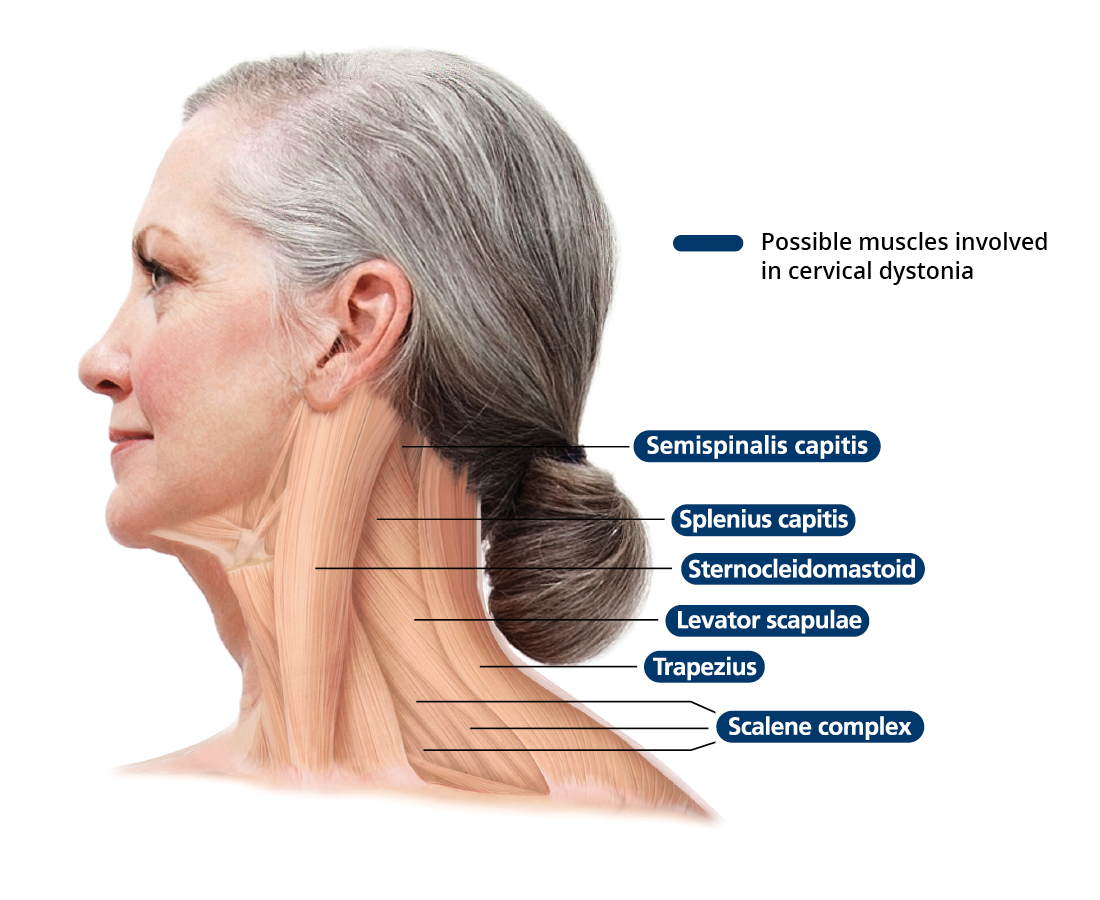
Cervical Dystonia (previously called Spasmodic Torticollis) - Occurs in neck muscles and causes one's head to twist to one side, once PD medication has worn off.

Toe-Curling Dystonia - Usually occurs in the early hours before PD meds have started working.

Foot-Inversion Dystonia - Turns entire foot inward making it difficult, or impossible to walk.

Truncal Dystonia - Entire torso leans, or is pulled to one side.

Writer's Cramp - Hands or fingers curl, making it difficult to write.

Facial Dystonia - Includes jaw clenching or tooth grinding.

Blepharospasm - Excessive eyelid blinking or forced eyelid closure.

If you have one or more of these conditions and it is impacting your activities of daily life, see your neurologist. He will be able to confirm the diagnosis and start treatment to help alleviate some of your pain and discomfort. There are many things your neurologist can do for you, whether it be adding or increasing PD medications, prescribing muscle relaxants, Physical Therapy, or even an injection of Botulinum Toxin (Botox) to help relax muscle spasms. Note: You cannot always predict what your body is going to do at a given time, so Dr. Khandhar recommends you take a video of yourself while in a state of dystonia, so you can show the neurologist at your appointment time.

My husband has had all of these forms of dystonia at one time or another. And every one of these treatments has given him some relief. He does get a Botox shot around his eye to help open it up and it has been a huge help to him. The shot is painless and will last anywhere from 3 to 4 months. It helps him see better and alleviates cramping in his cheek and around his exterior eye.

Don't live with discomfort when you don't need to. If you aren't a fan of conventional medicine and prefer homeopathic methods, have your neurologist refer you to a PT who can equip you with exercises and/or specific movements to help the affected areas. Or, our Chiropractor (uses kinetic and PT methods) did wonders for Jamey's cervical dystonia. Other options might include acupuncture as well. But you will want to work with a neurologist at the outset, regardless.

Don't suffer in silence! Getting the relief you need may make you a happier person, and happy people live longer! Parkinson's or not, don't you want to live longer?!


.

*Parkinson Association of Northern California, 1750 Prairie City Road, Suite 130-220, Folsom, CA 95630.

Saturday, July 7, 2018

Traveling with Parkinson's (or any disability)


I thought the following travel article was very good so I am putting it here for you to read. Don't let Parkinson's take away your ability to travel. Probably not all will apply to you, but use what does and enjoy your next vacation! 

HOW TO TRAVEL (WITH GREATER EASE) WITH PARKINSON’S
For the average person, traveling is a minor frustration. Security lines, delays, crowded airports and cramped and long lines at snack shops and restaurants are par for the course. However, if you’re living with Parkinson’s, those things aren’t just frustrations they can be so troublesome and aggravating to deal with that you choose to stay at home.

That’s why we decided to reach out to our Davis Phinney Foundation Ambassadors, many of whom are avid travelers, to get their best tips for traveling with Parkinson’s. Armed with this information, when you get out and about this summer, we hope you’ll do so with greater ease.
Medication Management
Managing medications topped nearly everyone’s list. Here are a few suggestions our expert travelers offered.

wBring more than you need. (And always know how to get more in a pinch.) When you’re headed out for a long trip, it’s easy to miscalculate; so, bring extra.

wPut your medications in more than one location. This way if something happens with your luggage or you forget a backpack somewhere, you’re covered. Ideally, keep them in your carry-on bags or on you if possible.

wSet timers or alarms on your phone so you’re always prompted to take them, even if you’re caught up in another activity.

wIf you’re going to be in multiple time zones, plan a consistent schedule for taking your medication. Your body doesn’t care that you started in Boston and ended up in LA – it wants Sinemet every three hours.
Sometimes travel days will stretch on and on, far beyond a typical day at home. If your awake time demands it, take an extra dose of something and make sure you account for those extra doses when packing your meds.

wIf you’re traveling with a companion or care partner, have them carry an extra dose of your medications.

wAlways carry a complete list of medications with you. And be ready to show them if asked.

wMake sure at least one set of your prescriptions are in Rx bottles with labels. If someone in authority questions the contents of your pill bags or bottles and you can’t prove what the medication is, they can take them if they must.

wIf you have any liquid medications (e.g., the gel form of carbidopa/levodopa for the Duopa pump that’s approved in the US), you’ll need a letter from your doctor. Although you’re allowed to travel with medications greater than the three-ounce limit specified by the Transportation Safety Administration, those medications will be subject to additional scrutiny, and you’ll need the documentation from your doctor as part of that process. Be sure to keep these medications with you in your carry on. Do not put them in your checked luggage.
Planning
wConsider traveling by train rather than getting trapped in those tiny airplane seats. Trains have plenty of legroom, there’s no TSA and you get an amazing view.

wWhen buying plane, train or bus tickets, be sure to allow enough time between legs if you have to have a layover so you have the time you need—and more—to get to your next gate.

wTravel when you’re at your best. For example, if you feel best in the morning because that’s when your medications offer you the best relief from symptoms, consider flying or traveling at that time.

wMake a list of everything you could possibly need for your trip and save it. You might have different lists for bike rides, road trips, weekend getaways, international trips, work trips and long-term travel. Update your lists on your computer each time you travel so they’re ready to print out when you prepare for your next adventure.

wCheck the weather! If you need to pack a few days before you leave, and you pack for the current weather report, you could get stuck with the wrong clothes. Be sure to check again the day before you leave since weather reports change quickly, and you may need to adjust what you pack. Many people living with Parkinson’s don’t do that well in the heat or in the cold. Not having the correct clothing can be a real problem.

wPut all of your paperwork in an easy to access location. This might be in the top pocket or your backpack or maybe the pocket of your pants or jacket.
Consider including in your paperwork an emergency contact list with information about your neurologist, primary care physician and other healthcare providers as well as the names and contact information of family members or other people who should be contacted in case of emergency.

wIf you tend to run late, avoid stress by getting to the airport extra early. Everything takes longer than you expect, so think through the steps you’ll need to take for airport security, airline boarding, baggage handling, lines at the bathroom, snack shopping, etc.

wIf you’re going to be out of town for a while, take a quick picture of where you parked or make a note in your phone in case you forget exactly where you left your car when you return.

wRead up on Flying with a Disability so you know what’s available to you.
Getting Around
wCarry a cane or a walking stick, even if you think you don’t need it. Stress often makes Parkinson’s symptoms worse, and travel is stressful. Even if you don’t need it, it’s a warning sign to others to not crowd you or run over you in the terminal or on the street.

wArrange for a wheelchair to get through the airport. This can help a lot in crowds or in unfamiliar places.

wIf you need to use a handicap bathroom, use them when you see them.

wTake advantage of TSA Pre® and Clear.

wIf you need help, ask for it. If help is offered, take it. This includes having someone carry your bags, taking advantage of extra time allowed for boarding, having someone get food and bringing it to you, etc.

wTake a disposable plastic grocery bag with you so you can open it up and sit on it on the plane. When you want to get out of your chair, the plastic reduces friction which makes it much easier to get out of your chair.

wPractice getting in and out of your airplane seat (or any seat) before you go. 
Food & Drink
wHave your food items at the ready since you need to separate them when going through security.

wFill your water bottle after security and between flights.

wBring more snacks than you think you’ll need on the plane in case you get stuck, delayed and re-routed and suddenly your two-hour flight turns into a six hour one.
Communication
wRemember that communication is on the person with Parkinson’s. As Kathleen Kiddo says, “Nobody can read our cue cards so it’s our job to let them know what’s up.”

wConsider wearing or traveling with a card that says something like, “I’ve got Parkinson’s and I need a bit more time and space. Thank you.

wSome people with Parkinson’s carry this card [provided by the Parkinson’s Foundation.]
I'm not intoxicated, I have Parkinson's
Sleep and Rest
wSlow down and don’t overschedule your days. Choose the activities that are most important to you rather than trying to rush through to hit every possible spot. You will have the most enjoyable time if you learn how to conserve energy so that you have it when it matters most.

wTry to time your travel so that you have plenty of time to rest once you arrive at your destination. For example, if you’re traveling to Europe, consider going a day early so you have time to get your body clock adjusted.

wIf you travel somewhere that has a significant time change, take a one to two-hour nap when you arrive. Go out for dinner and then go to bed at what would be a normal time for the part of the world you’re in. Immediately try to assimilate into the routine of your new environment.

wBring a sleep mask and earplugs. Many people with Parkinson’s have difficulty sleeping. Keeping a sleep mask and a pair of soft foam earplugs nearby can help you get some rest when you’re traveling. You might also consider bringing an inflatable neck pillow for additional comfort.
Clothes
wPack light and feel secure knowing that, unless you’re traveling to a remote area, you’ll be able to pick up anything you need once you reach your destination.

wTravel in comfortable clothing that’s easy to get on and off in bathrooms. Slip-on shoes or sandals, shoes that don’t require you to lean over to take them off, are great for airports. And keep an extra pair of socks in your carry on for cold planes.

wWear knee-high compression socks for road trips and air travel. They keep the blood flowing and reduce swelling.

wBring a change of clothes in your carry-on bag just in case.
Exercise
wConsider bringing a jump rope. It travels well and it offers a great workout. It’s an aerobic and motor challenge, a great exercise for travel.
wWhether in a car or on a plane or train, take time to get up and stretch every 30-45 minutes.
wAs much as possible, try to continue to exercise and do the things that are part of your daily routine for living well while you’re on the road. It can be a challenge when you’re in a different place and don’t have access to the same routine or equipment, but veering too far off schedule can create problems both when you’re traveling and when you arrive home. Adjust as needed, but continue to do the activities that make you feel well.
Miscellaneous
wUse a label maker to put your name and cell number on loose objects, like canes.

wIf you don’t have a handicap placard, get one.

wWhile you’re exploring new areas, consider checking out the local Parkinson’s offerings.  Does the place you’re visiting offer something in the way of support for people living with Parkinson’s that you don’t have where you live? If not, do they need your skills? Could you bring something to share with the community you’re visiting?

wDon’t be afraid of letting your travel companion(s) know that you’re too tired to do certain activities and you just need time to rest.

wIf you have DBS, bring the Medtronic device wallet card (or whatever company made yours). You may be asked for it. It’s best to not try and explain DBS to security people.  Just say you have a “medical device” or even just say you have a pacemaker as that’s something they hear all the time. Remember, you can’t go through the old style security check machines or let them use wands to check you. Be prepared for a pat down.

wPay for luxuries and conveniences while traveling if you can. They’re designed to make your life easier and if you ever need that, it’s when you’re traveling.
  
wIf at all possible, travel with others who get you so well that they know when you need help and when to back off. They know when you need to rest and when you’re ready to go. And they, more than anything, can gracefully manage the unpredictability of Parkinson’s and not let it get in the way of a fabulous trip.

wMaintain a sense of humor. Travel is difficult even under the easiest of circumstances. When something goes wrong, and it almost always does, the way you handle it will have a big impact on your physical and emotional well-being. Eventually, you’ll get where you need to go; so, in the meantime, have a good laugh about it.

Finally, while there’s a lot that happens when you travel that you can’t control, you can control your experience. Don’t let Parkinson’s stop you from traveling. As Jill Ater says, “Most people in the world are incredibly understanding and patient. If you like to travel, then it’s part of your living fully with Parkinson’s.”

Top of Form


Thursday, May 24, 2018

Rock Steady Boxing

Well we've started a new exercise program specifically geared for people with Parkinson's, and it's NOT for the faint of heart!

A friend of mine mentioned a boxing program for Parkinson's patients. Her friend's husband was recently diagnosed and his doctor recommended it for him. I asked Jamey's Neurologist and he gave it a big thumb's up (he is familiar with the curriculum and loves it). Since Jamey is now in his power chair about 98 percent of the time, we weren't sure it was going to do the trick for him. But, we decided to give it a try.

Drum Cardio
It turns out it is amazing! This program covers everything from memory issues, to movement, to cardio, and more! The instructors consider the abilities of each student and design the curriculum accordingly.

We've only gone to two sessions so far, but Jamey has already shown some improvement. He turned to me during the class today (only the 2nd one we've attended), and he said, "I have a muscle!" LOL Glad he's keeping his humor, because this is not an easy program! I'm exhausted when we're finished each time. He doesn't say much about how tired he is, but the fact that he took a two-hour nap the last time we did this is proof, I guess.

The instructors start with a warm-up where the students work on cognition and memory (they are very creative with the games they play). Then they do cardio (could be stationary bike, rowing machine, or something completely different). Next, they go to work on the speed bag, which is alternated with lifting weights. Everyone then switches to the punching bag, where the instructor teaches left jabs, right crosses, hooks and undercuts. Finally, they get to the cool down with stretches. It's a well-rounded course and lasts an hour and a half. They're going at full-steam pretty much the entire time; 45 seconds on, 10 seconds off for a full 10 minutes, then they switch places and start all over again!

Working the Speed Bag
I'm there right along with Jamey, even doing the exercises with him when I'm not assisting him. So I'm actually getting quite a workout myself!

Of course it is not contact boxing, but Jamey says he want's to call himself "Kid Gorgeous" and asked me to make him one of those satin capes they wear when they get introduced in the ring. While I appreciate his confidence, I'm more inclined to call him "Kid Presentable" like the character of Moe Sizlak, during his boxing days on the Simpsons.

Finishing with Hooks and Jabs
I've got to say, this is one of the best things to happen to us since he was diagnosed! It's exercise he likes because it's a sport; it makes him move around, and most of the people in the class are in about the same stage of the disease as he is. It makes for a social event as well as a physical challenge.

I just have to send a 'shout out' to the folks who think outside the box(ing) to come up with these programs for people like Jamey. What a blessing it is! He actually got out of his chair today and did the boxing standing up! Woo Hoo!


To find Rock Steady Boxing near you, go to www.rocksteadyboxing.org.


Wednesday, May 16, 2018

Will ASL Help?

It seems like each day we wake up, there is a new struggle! I suppose that's the case with any disease; grieving for new losses, navigating new challenges, creating new normals.

Jamey's speech has gotten difficult for me to understand. I have to strain to grasp what he is trying to communicate through the slurring words and low volume. I'd been thinking it is just me. After all, my hearing isn't what it used to be and I'm not at sharp as I once was (hard to believe, I know).  But, when we hosted a family game night recently, Jamey's sister and mother both took me aside and mentioned they were having difficulty as well. Actually, there was no need to tell me; I could see the blank looks on their faces when he was trying to tell them a story--and the glances in my direction, the look of "help!" on their puzzled faces.

It hurts me to see this happen. He wants to be part of the conversation so badly and he has so much to contribute. But, he just can't keep up with everyone talking so quickly and not allowing him any time to get in what he wants to say. The Human Race is an appropriate name for us because we are always in such a hurry. We rarely make time for the people around us who would like to participate but need more time and patience--or even just an opening in the conversation!

As his wife, and caregiver, I can do my best to pause people when I see Jamey wants to contribute, and encourage people to listen because I know what he has to say is important. But, understanding what he has to say is a different matter. If I can't understand him myself, how can I interpret for others? As I get older and lose more of my hearing and cognition, the challenge gets more difficult!

So, Jamey and I have decided to try learning American Sign Language. I know that learning a new language at our age will be tough, but we already know a few signs and we are willing to give it a try. So far he has been able to use his hands fairly well. Time will tell. For me, talking with my hands is something I've done since birth--I'm a woman, after all--it's just hard trying to do it without my mouth flapping, too! Actually, the books say you should also 'say' the words you're signing, so that makes it easier for me.😊 We haven't been able to find a class in our area, but we are starting with the book, ASL For Dummies. The key, I think, will be to start talking to one another often, with ASL, so the language becomes second nature to us.

I'm hoping this will help us communicate better and more often. After 40 years of marriage, the communication should be better, right? 😏 Granted, we do have an advantage being together that long. We can already finish each other's sandwiches...uh, I mean...sentences.

So, I'll keep you posted as we progress. In the meantime, if you visit, please give Jamey an opportunity to join in your conversation. And, don't rush him along. He will feel so much more a part of your visit if you just be patient and bring him into the dialog, too.


Wednesday, March 28, 2018

Superhero likes Superheroes

Jamey has an amazing Neurologist--one of the best in the nation--and even though he's younger than most, he knows much more about Parkinson's than any other neurologist we've visited in the 21 years since Jamey was diagnosed. Dr. Khandhar keeps up on the latest research and progress with PD (Parkinson's Disease). It's clear he reads everything he can get his hands on and is often asked to speak at PD events. He is active with MDS (Movement Disorders Society), and AAN (American Academy of Neurology).

We go to see him about every three months and he is always professional. He takes the time to listen to our issues without acting like he's in a hurry to get to his other patients, although, I know he must be; they pack is schedule pretty full. He always has time for us. That is a big deal for those of us on this journey. Because of his high position in the medical world, we don't know anything about his home life or what he does in his free time, or whether he even has free time. He's a bit like a favorite teacher you might have had. You cannot imagine they even have to go to the bathroom like normal people! He kind of walks on water in our eyes.


So we were surprised when we visited recently and he commented on a Marvel Comics shirt Jamey was wearing. The shirt depicted a recreation of the Table of Periodic Elements using superhero initials as the symbols. Dr. Khandhar actually knew who they all were; even the seemingly obscure ones! We'd never noticed it before, but there on the lapel of Dr. Khandhar's lab coat, were several pins of Marvel Comics characters!

It was so fun to find out this hidden tidbit about Jamey's amazing Neurologist, a superhero in his own right. Maybe he feels the need to keep up on superheroes because he so closely resembles one himself! His super power has to be making PD patients feel confident, cared for and hopeful. We are so blessed to be his patients!

How many Superheroes can you name?


Tuesday, February 6, 2018

Disrupted Sleep

Those of you with Parkinson's and/or your caregivers, have probably had some experience with disrupted sleep patterns. That could mean anything from shortened periods of sleep to talking or yelling, waving your arms, or moving your legs around while you're supposed to be sleeping.

If you live by yourself you may not know you are active in your sleep, other than the symptom of being tired or fatigued upon waking up. But chances are good, the tiredness you feel is due to your nighttime sleep activity.

Jamey has not only brief sleep periods (often four hours max), but he also has elaborate talks in his sleep, along with body movement. The worst part for me is the yelling or calling out. Since I sleep with one ear open anyway (in case he needs help during the night), it is unnerving to be aroused by a yell, often associated with some kind of sport. For example, "Pitch it!"  or "Run, run run!" are common raised-voice mantras for him in sleep mode. Being jarred awake is not my choice of a wake-up call. I am immediately up and ready to help when I find he is sleeping soundly and completely unaware of having wakened me. Often though, the yelling and talking is blabber--no coherent words.

His body is constantly moving. Even though he doesn't have a severe tremor in his awake state, he makes up for daytime lack of movement in his sleep. His legs constantly shift back and forth and he repositions frequently. If he's not moving around, he's talking, mumbling, or yelling. It's a wonder he gets any sleep at all!

I must share with you a strange thing Jamey did in his sleep a few weeks ago. As I said, I am used to the talking; I don't get a lot of sleep while he's doing it, but I'm accustomed to it. The conversation he had on the night in question was highly unusual. He was actually having a two-person conversation, and he was doing both parts. To top it off, one of the voices was a woman! Listening to him do a woman's voice and switch back and forth between two people, made me think of a schizophrenic serial killer; it was that creepy! He carried on this conversation, doing both the woman's and the man's voices, for sometime. Unfortunately, I could only make out a word here and there as most of it was nonsensical blabber. It's what I would imagine someone speaking in tongues would sound like. Unnerving.

I have been assured sleep talking is common with Parkinson's and apparently, the only thing that helps alleviate some of the talking is Clonazepam. Well, Jamey is already taking the highest dose of Clonazepam he can, so I cannot imagine how much talking he might do if he wasn't already taking it. Yikes!

One of the down sides to talking in his sleep is that he has to take little naps off and on throughout the day because he's not getting REMs at night. I'm told waking him during the daytime won't help him sleep any better at night, and without his daytime naps the deprivation could get worse. So letting him sleep when he can is important.

Sleep deprivation can cause numerous other issues, including depression. Since depression is often another by-product of Parkinson's, we need to keep careful watch for symptoms and head off the depression quickly if we can. There are many exercises and/or safe medications the doctor can prescribe to help with depression. Other things to assist in identifying sleep deprivation, are high blood pressure, memory loss, trouble concentrating, increased obesity, mood changes, poor balance, weakened immunity, and clumsiness. (Uh-oh! I have ALL of these!)

Dealing with disrupted sleep is a difficult thing, but being watchful for symptoms of sleep deprivation and depression can help keep it under control somewhat. Sleep when you can and don't go to bed until you're ready to sleep. These are good guidelines for the caregiver as well.

And by the way, don't let your wife take video of you talking and moving around in your sleep. She might post it on a blog! (So bummed I couldn't upload the video because of its size, but trust me...it's a hoot)!